Packaging Standard
Effective August 16, 2026 · Nate Evan Lukas Inc. (doing business as "SPKRS")
SPKRS does not provide transit insurance and does not purchase insurance on your behalf. Under the Seller Agreement the item is your responsibility until it arrives safely with the buyer. This page is the standard you are packing to; what the buyer is promised while you do is in Buyer Protection.
The packing schedule
Every order shipped through SPKRS must meet all five. They are not suggestions; a parcel that fails them is a parcel you will not be compensated for.
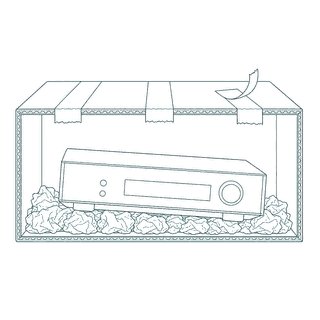
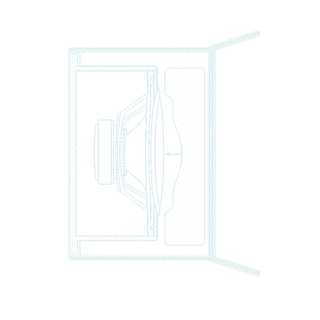
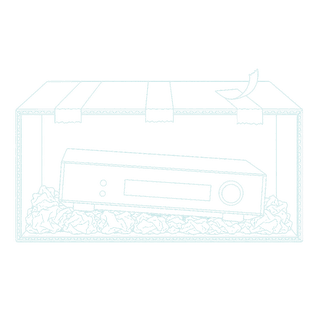
- 01Two inches of cushioning, all six wallsEvery interior wall, including the top and the bottom, carries at least two inches of cushioning between the item and the carton. The item must not shift when the sealed box is tilted.

- 02Double-walled cartons over 10 lbAnything above 10 lb ships in a double-walled carton with corner foam. Single-wall board collapses under stacked freight and is the most common cause of a crushed corner.

- 03H-pattern tape on every seamTape the center seam, then both edge seams, top and bottom. Three strips per face, pressure-sensitive packing tape.
- 04Box-in-a-box for electronicsAmplifiers, DACs, turntables, and anything powered ship inside an inner carton suspended in an outer carton with six inches of clearance on all sides.

- 05Newspaper and duct tape are not packing materialsNewspaper compresses to nothing in transit and duct tape releases under temperature change. Neither is acceptable on a SPKRS shipment.


What a carrier claim actually recovers
Filing a carrier claim
- 1Photograph the parcel before it shipsThe packed item, the cushioning, the sealed carton, and the label. A claim without evidence of how it was packed is decided against you. Do this on every order. It takes thirty seconds and it is the only record that exists.
- 2Keep the packagingUSPS may require the item, the box, and all packing material to be presented for inspection. Tell your buyer not to discard anything until the claim closes.
- 3File as the shipper, and tell SPKRS you are filingThe label names you as the shipper, so the claim is yours to file. The label is bought on SPKRS's carrier account, though, so SPKRS holds records you will be asked for. Message us when you open a claim and we will supply the label and purchase record. For a USPS parcel, file at usps.com/help/claims.htm; for UPS or FedEx, file with that carrier. Don't leave it to the buyer.
- 4Bring the tracking number, proof of value, and photographsUSPS asks for the tracking/label number, evidence of value (the SPKRS order receipt works), and photographs showing both the damage and the packaging. A repair estimate may also be requested.
- 5File within the windowWindows differ by carrier and they are short. USPS takes a damage or missing-contents claim no later than 60 days after mailing; UPS and FedEx work to their own, tighter deadlines. Check your carrier's deadline the day the damage is reported, not the week after.
- 6Refund the buyer regardlessThe claim is between you and the carrier. The buyer's remedy is with SPKRS under the Seller Agreement, and it does not wait on the carrier's decision.
If the buyer reports damage
Report it from the order screen the same day. SPKRS reviews damage reports alongside your packing photographs and decides within 10 business days; a shipment that plainly did not meet this standard is treated as seller-caused under section 7 of the Seller Agreement.
The buyer's refund does not wait on your carrier claim and is not reduced by it. See Buyer Protection. Transit loss is yours less whatever the carrier pays, so the claim is how you limit it, and packing to this standard is what makes the claim payable.
Carrier rules change. The filing window and evidence requirements above follow current USPS domestic-claims guidance; the USPS page linked above is authoritative if the two ever disagree.